


Digital Solutions for Hospitality & Leisure
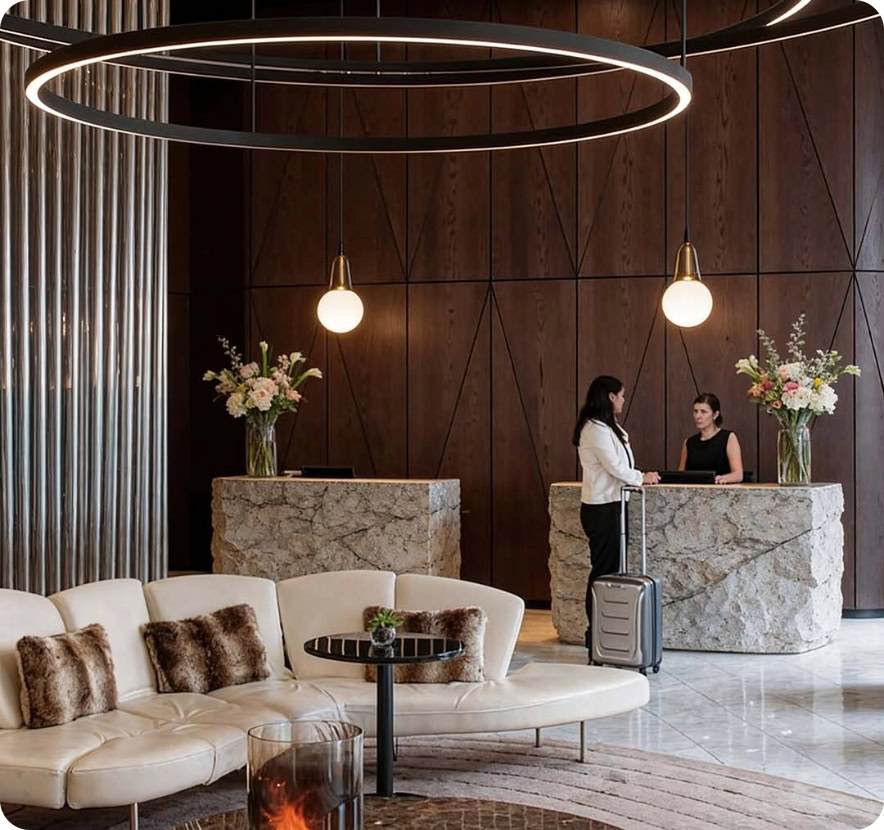
Hotels and all types of leisure spaces are no longer limited to offering a service, but rather to building a complete experience for the user. The physical space plays a key role in that perception, but it only generates value when strategically planned.
We analyze how visitors interact with the environment and what opportunities exist to improve the experience, optimize space utilization, and strengthen the business’s identity. Based on this analysis, we develop multimedia experience solutions to directly influence how the space is lived.
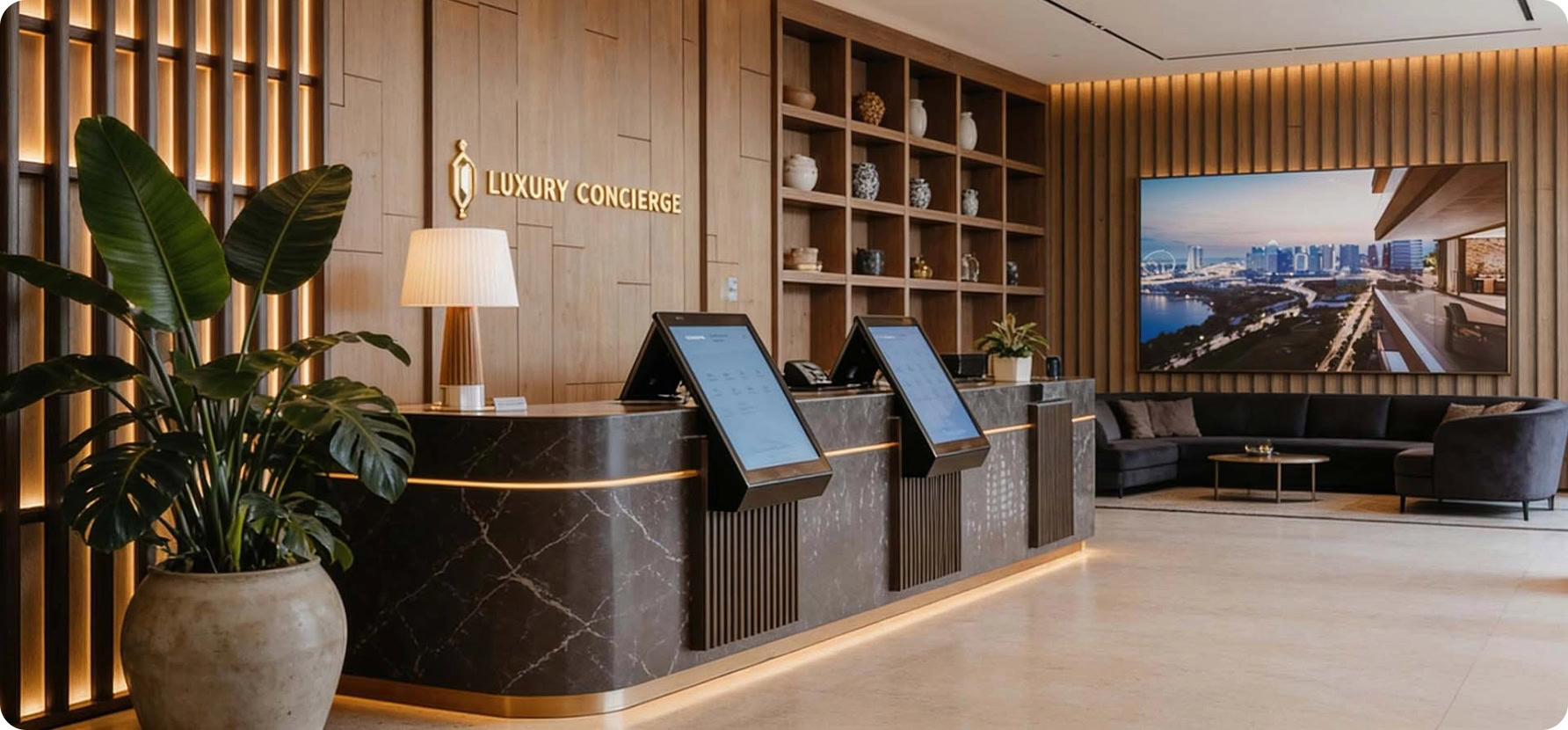
[A COMPLETE SERVICE]
Information and Signage
Strategic Ambiance
Digital Content
Interactive tools
Our success stories
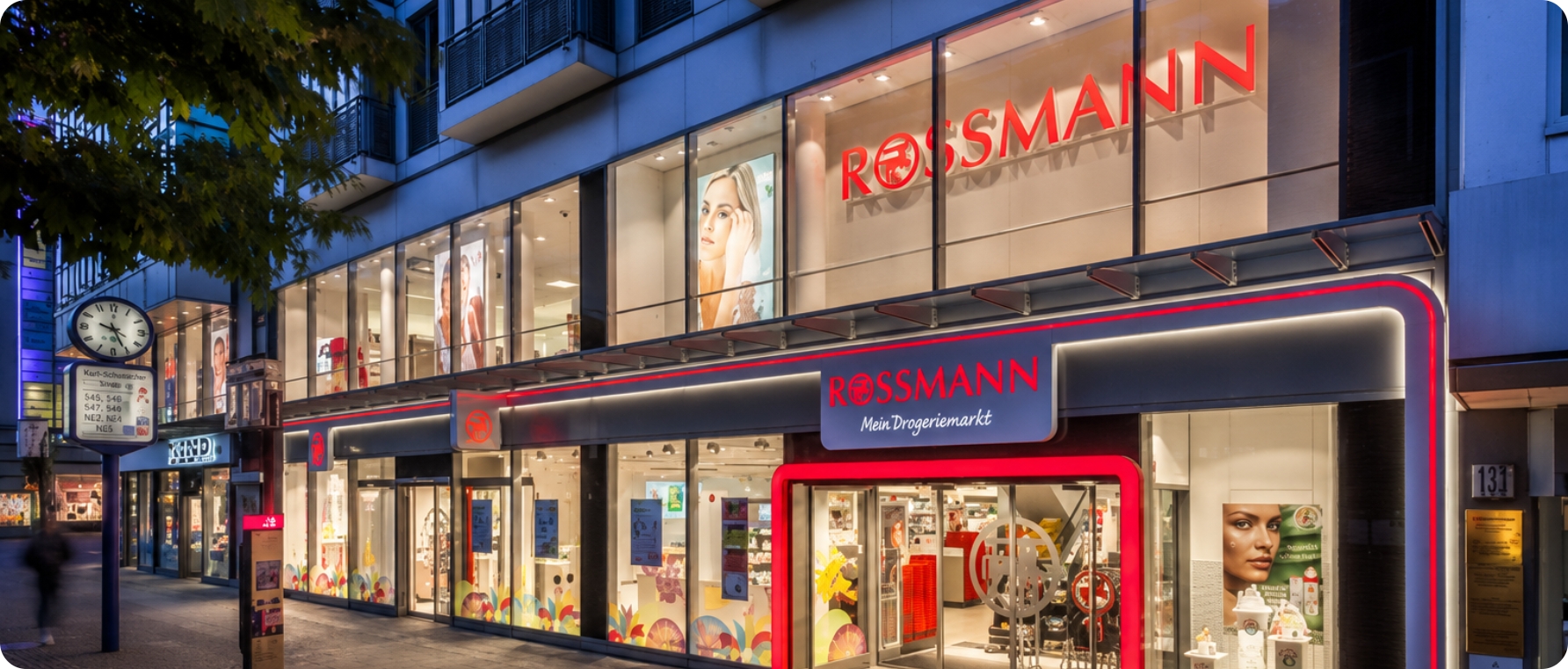
Rossmann
Retail
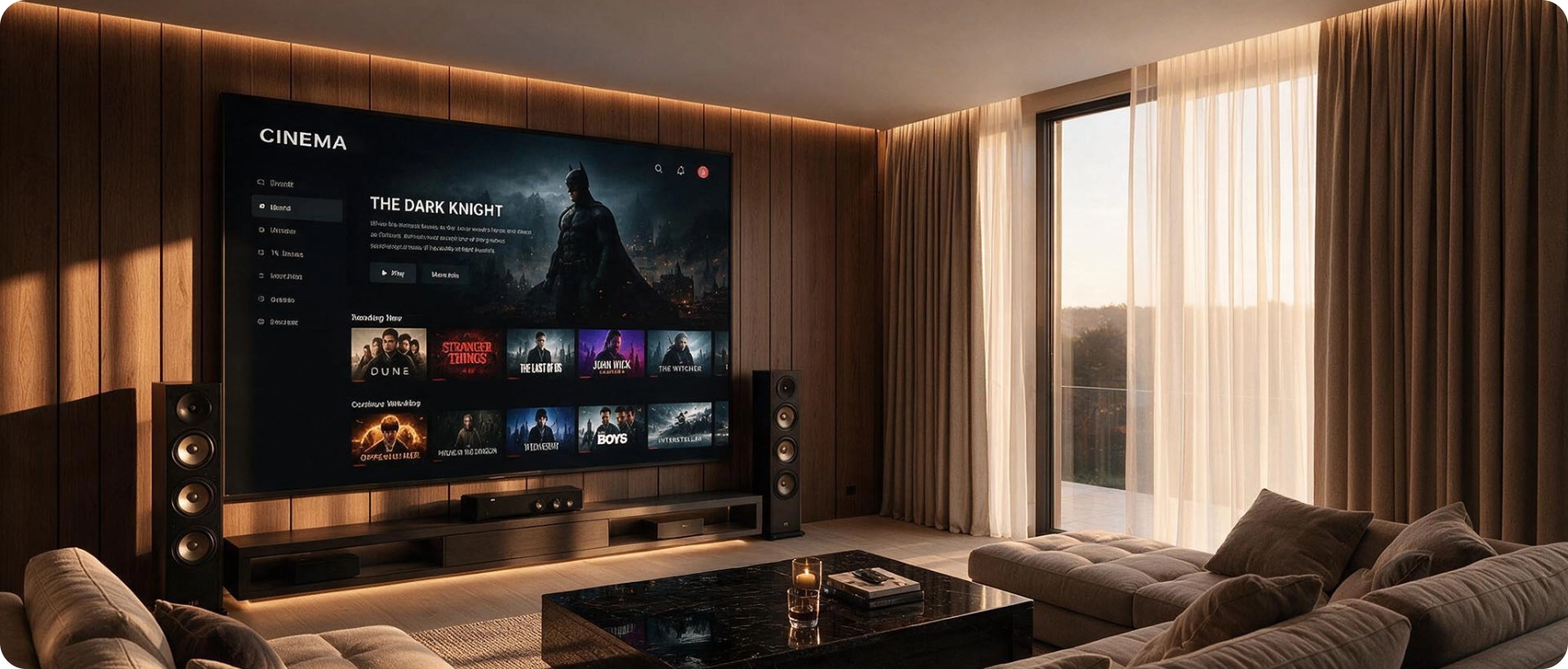
Home Project
Home
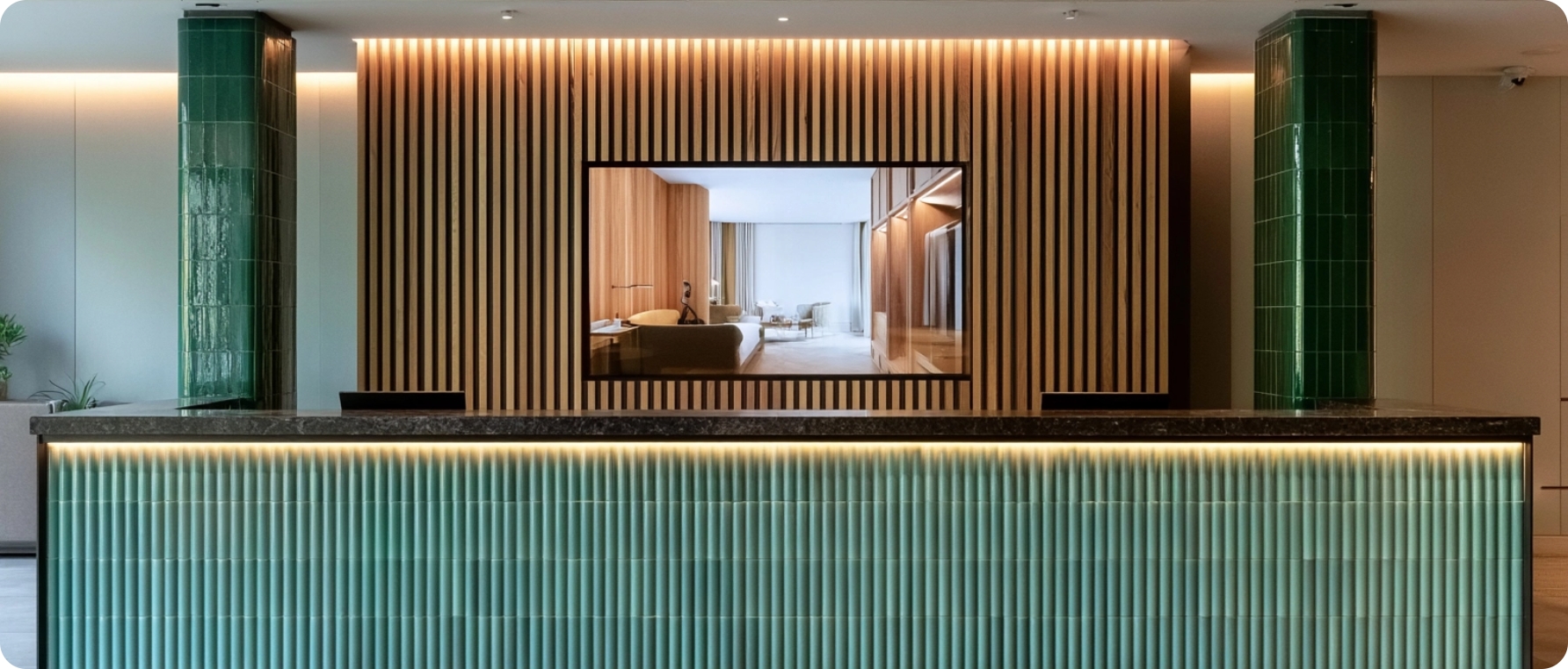
THB Bamboo Alcudia
Hospitality

Corporate Project
Corporate
Frequently asked questions
In what types of spaces does it make sense to apply these multimedia solutions?
In any space where the user experience impacts the perception of the establishment or its use: receptions, common areas, waiting areas, individual rooms, auditoriums, event rooms, or dining spaces. The key is to identify the needs in each space and how to provide real value.
What kinds of problems can be solved with multi-sensory experiences?
They allow for improved orientation, reduced perceived waiting times, activation of underutilized areas, or better communication of available services. They also help highlight areas of the establishment that can generate revenue, making it easier for users to discover and consume new services or products within the space.
How are these multi-experience systems integrated with space design?
Technology is considered part of the design project, not an add-on. It is integrated into architecture, lighting, or furniture to become part of the environment without interfering with the design, allowing for the natural incorporation of communication points or service activation.
What type of maintenance do these systems require?
The same as any other electronic system, as they are designed to be stable and easy to manage. Content can be updated remotely, allowing messages, promotions, or services to be adapted as needed, almost always without the need for mechanical or manual interventions of any kind.
How is the impact of these multi-sensory solutions measured?
Many types of KPIs can be analyzed, such as the use of specific zones, dwell time, or interaction. It is also possible to evaluate how these solutions contribute to increasing service consumption or improving the performance of specific spaces.
Can they be applied in existing spaces or only in new projects?
Both options are viable. In existing spaces, these solutions allow for reactivating areas, introducing new services, or improving how they are communicated, generating new revenue opportunities without the need for major structural changes.
Is this a viable solution for any type of venue or establishment?
Yes, as all multimedia and multi-sensory solutions are adapted to the specific objectives of each space. Scalable solutions can be proposed that not only improve the experience but also contribute to generating new business opportunities within the environment itself.