


Solutions for cultural centers and spaces
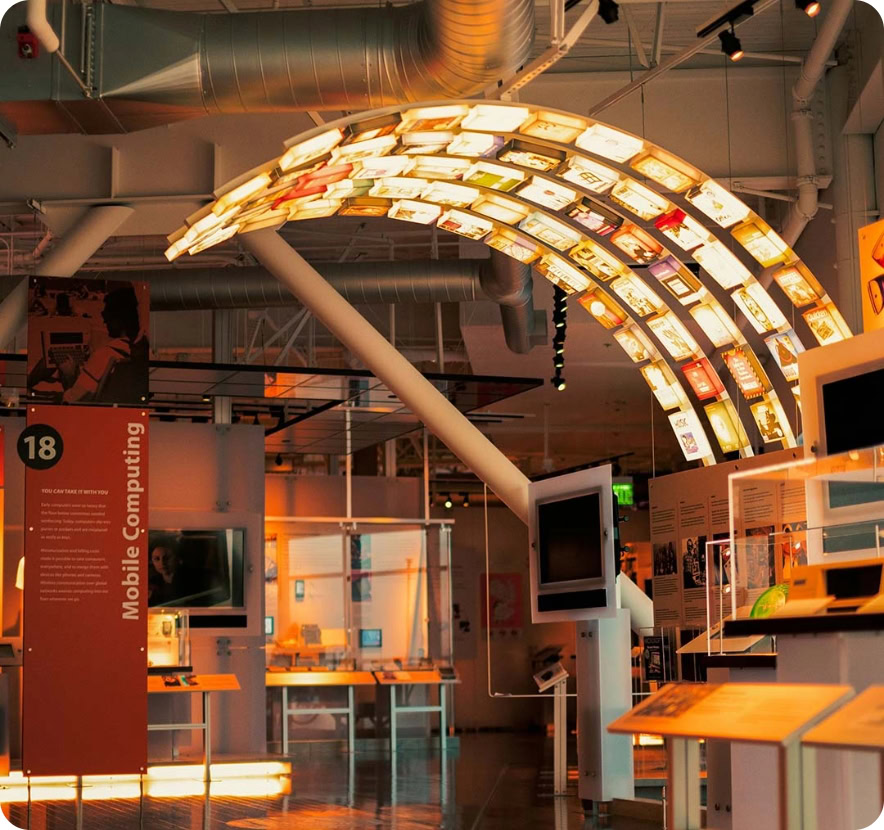
At Denali, we know that in training centers, museums, or cultural spaces, the environment is a fundamental tool for transmitting knowledge, sparking interest, and generating a deeper connection with content.
We study the needs of each project, define the experiential strategy, and design the most appropriate solution to transform content into a more accessible, memorable, and participatory experience.
[A COMPLETE SERVICE]
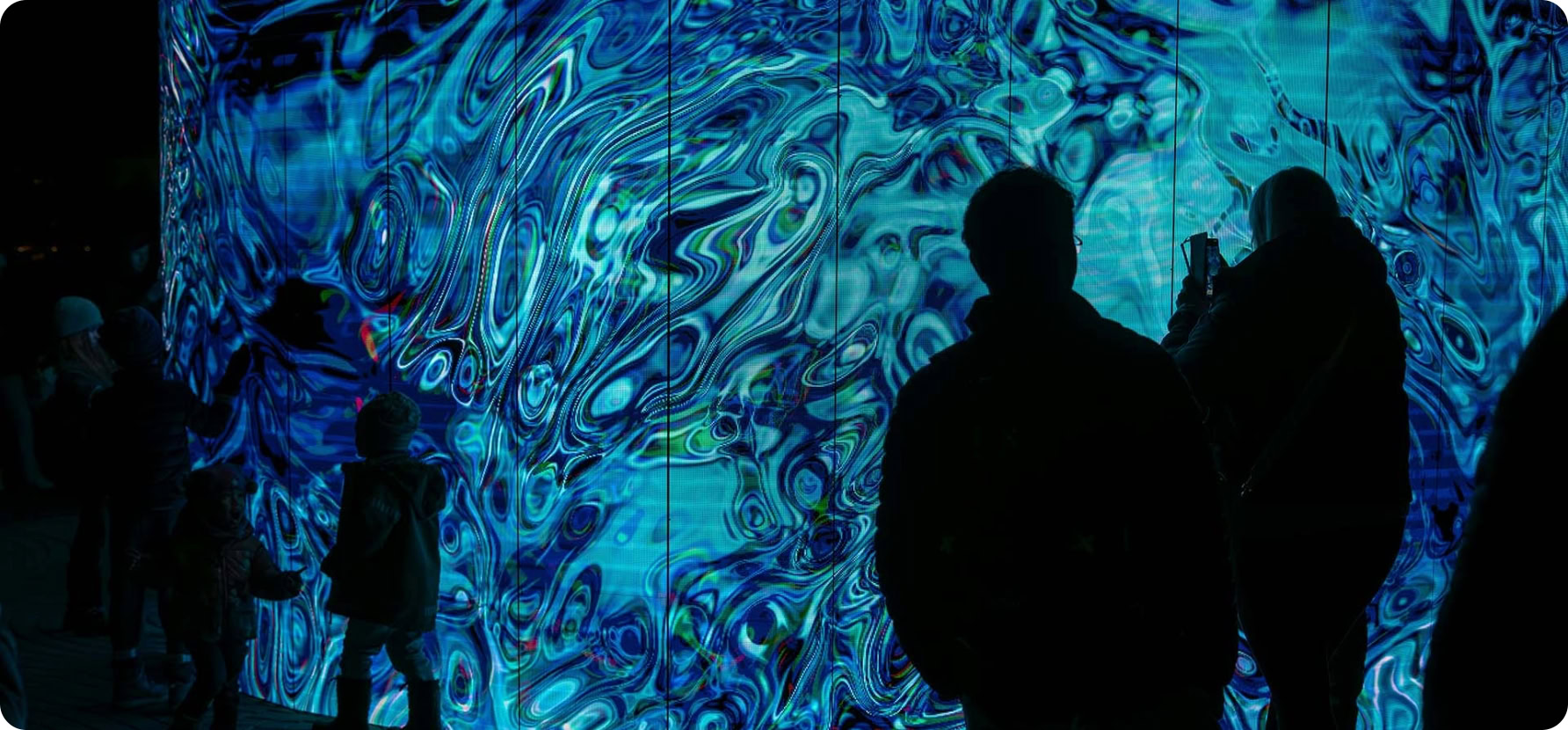
Immersive projections
Interactive systems
Ambient sound
Immersive content
Our success stories
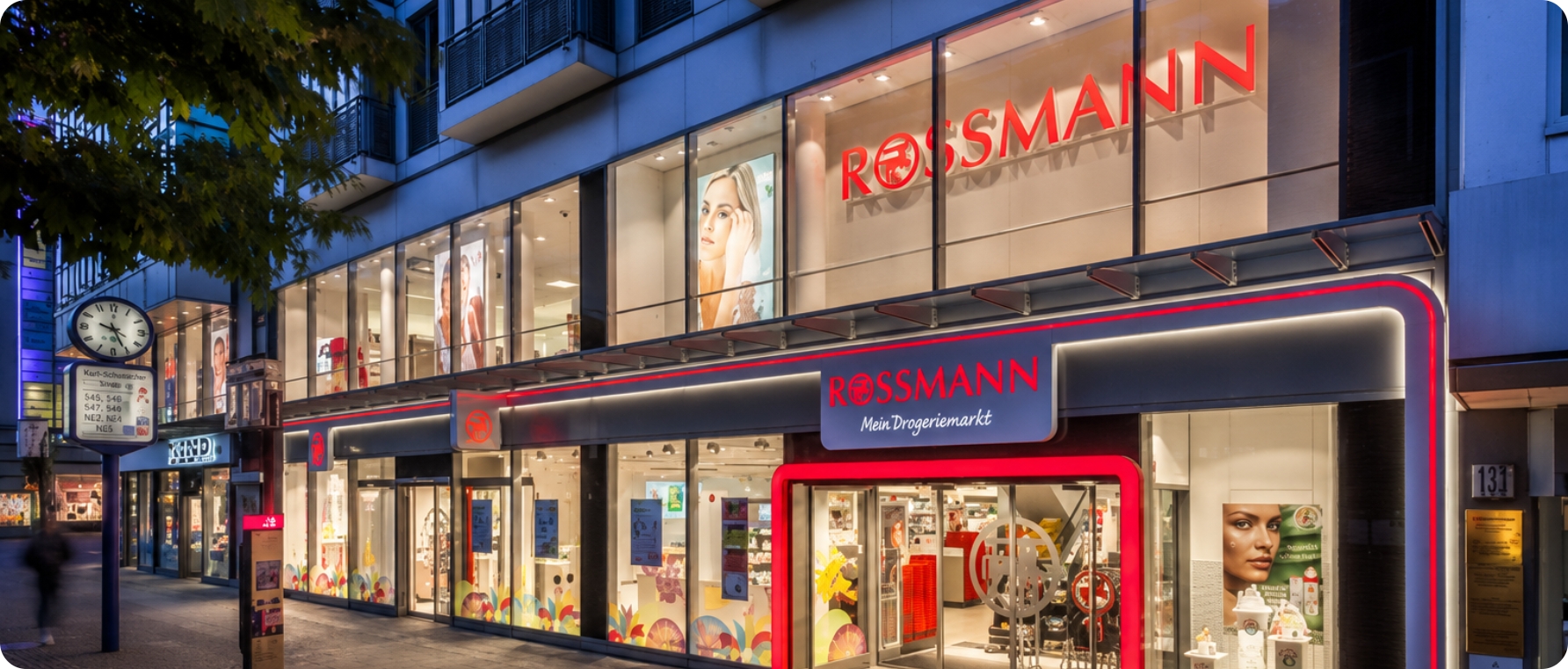
Rossmann
Retail

Home Project
Home
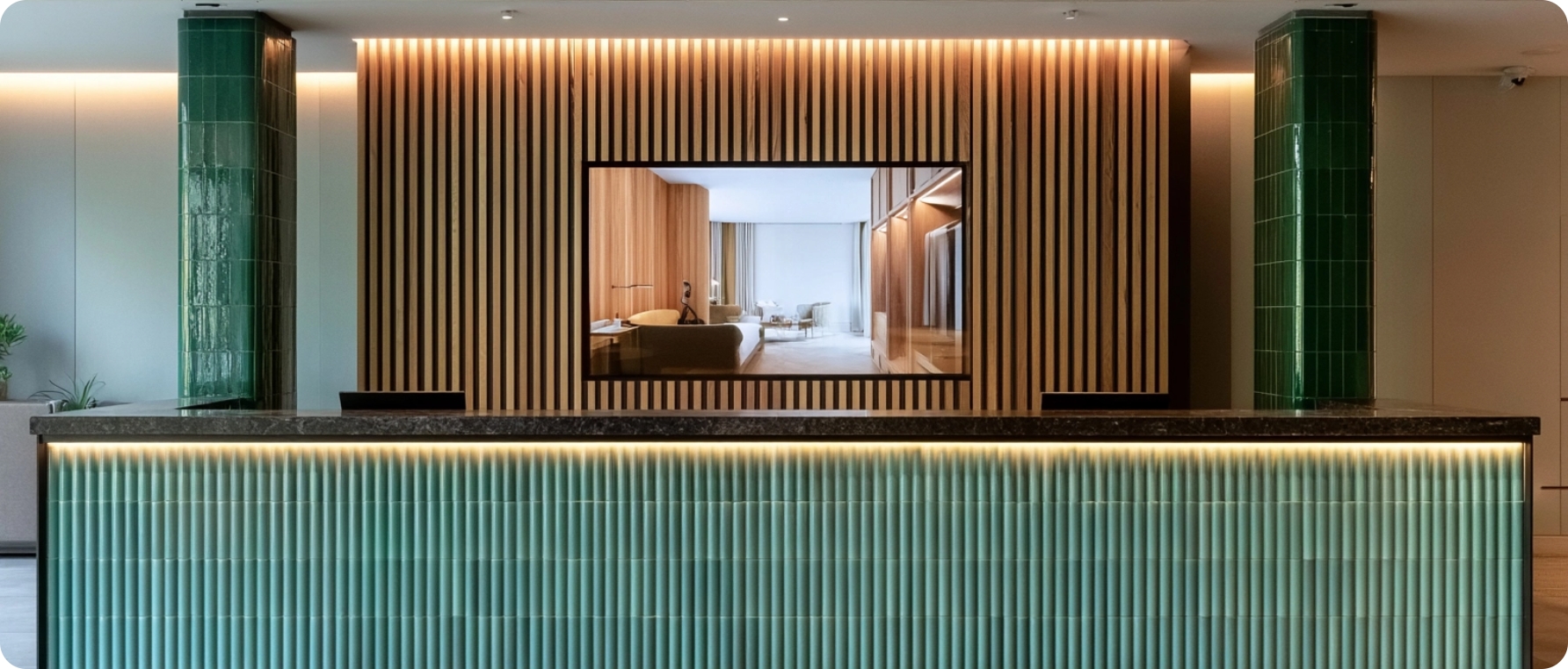
THB Bamboo Alcudia
Hospitality

Corporate Project
Corporate
Frequently asked questions
What type of spaces can benefit from content-based immersive experiences?
Any space where you want to transmit or teach something, such as educational and training centers, museums, exhibitions, interpretation rooms, or cultural spaces where content plays a leading role. Immersive experiences allow the space to be adapted so that the user understands better, participates more, and connects with what they are seeing and/or learning.
What does multisensory technology offer compared to traditional formats?
It allows for a shift from static communication to an active experience. The combination of image, sound, lighting, or interaction makes it easier for the user to pay more attention, understand the content better, and remember it more easily.
Is it necessary to adapt content for these types of multimedia solutions?
Yes. It is not just about transferring existing content to a screen, but about adapting it to the space and the user journey. Multimedia solutions work best when content is designed to be experienced, not just read or viewed.
Can these solutions be applied in existing spaces?
Yes. Although it is ideal to integrate them from the initial design, many immersive experiences can be incorporated into already built spaces, adapting to the architecture and current use without the need for major structural changes.
What level of interaction can be achieved with these solutions?
It depends on the objective. From more contemplative experiences to interactive systems where the user can explore content, make decisions, or participate actively in the journey.
How is the impact of these solutions measured?
Aspects such as attention time, interaction with content, or the journey within the space can be analyzed. It is also common to evaluate user understanding or involvement through their behavior.
Are these types of experiences valid for any type of audience?
Yes, as long as they are designed correctly. Immersive solutions allow content to be adapted to different profiles, knowledge levels, or ages, facilitating a more accessible and understandable experience.
What role does narrative play in immersive experiences?
It is fundamental. Technology is a medium, but narrative is what gives meaning to the experience. A good content structure allows for guiding the user and facilitating understanding in a natural and more effective way.
Can these solutions be updated or expanded over time?
Yes. One of the benefits of this type of multisensory technology is its flexibility. Content and configurations can be adapted over time, allowing the space to evolve without the need to redo the installation.